A thorough site assessment cleaning review is the crucial first step in starting any commercial cleaning contract. Rather than guessing costs, we evaluate the mobilization process carefully. First, we assess site requirements, staffing schedules, and equipment needs. Consequently, our teams ensure total day-one operational readiness.
Starting a commercial contract involves far more than agreeing on a price. For example, our structured site assessment cleaning process guarantees consistent standards across every property. Visit our services overview page to explore our full operational approach.

When an organisation is reviewing its commercial cleaning arrangements, one of the first questions will naturally be: What is this going to cost?
It’s an important question. But before deciding what a service should cost, we need to understand what the service actually needs to achieve.
That’s why the Light & Airey process begins with an Operational Assessment.

We start by looking beyond square footage. We need to understand how the building works: the areas requiring service, how those areas are used, occupancy and footfall, operating hours, required frequencies, access and security arrangements, existing staffing, equipment already on site, specialist requirements and any current service issues.
Sometimes the most useful information isn’t contained in an existing specification. It’s what the person responsible for the building tells us isn’t working.

Why is the organisation reviewing its cleaning arrangements? Has the existing contract reached its natural end? Have standards declined? Is attendance unreliable? Is communication poor? Has the building or its usage changed? Are the current cleaning hours still appropriate? Is too much of the Facilities Manager’s time being spent managing the cleaning contractor?
Understanding the reason for change helps us determine what the next service needs to solve.

Whether the existing contract has reached its natural end or needs to be reviewed.
Whether cleaning quality or consistency has declined.
Whether reliability, responsiveness or communication is creating issues.
Whether the building, occupancy, usage or operating hours have changed.
Whether too much Facilities Manager time is being spent managing the cleaning service.
Once we understand the environment, we can start determining what appropriate delivery looks like. That can include staffing levels, cleaning hours and frequencies, cleaning specifications and checklists, products and materials, equipment requirements, periodic and specialist works, access requirements, health and safety considerations and management arrangements.
The objective isn’t automatically to reproduce the existing contract. It’s to understand what the site requires now.
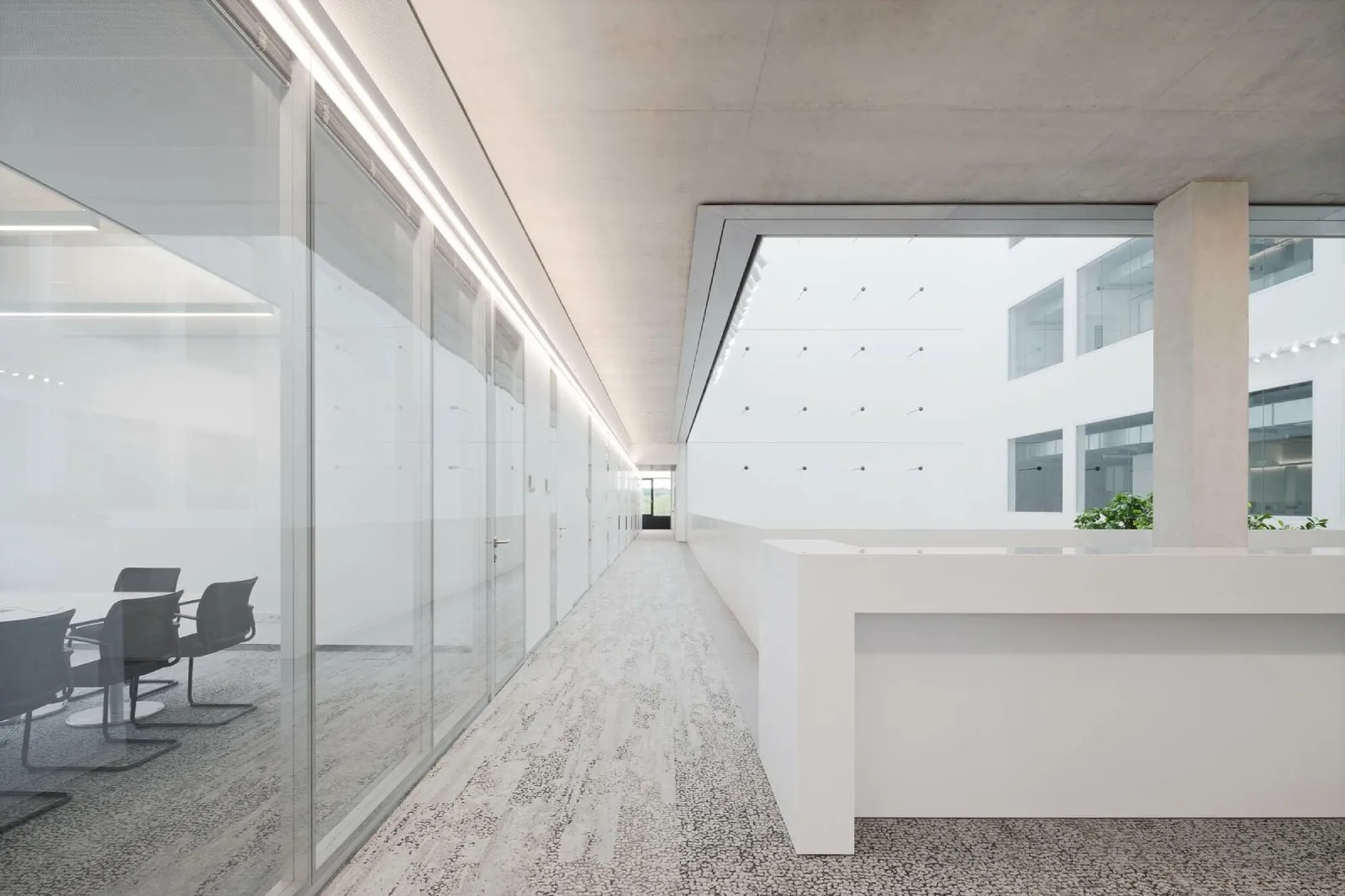
Depending on the size and circumstances of a new contract, workforce planning can be one of the most significant parts of mobilisation.
Sometimes an existing Light & Airey team can provide the required capacity. For larger contracts, we may need to recruit additional operatives specifically for the service.
And where an existing cleaning workforce is affected by a change of contractor, mobilisation may involve TUPE procedures where applicable.
That means the staffing element of a contract can’t simply be left until the week before launch. People need to be considered as part of the mobilisation plan from the beginning.
Equipment requirements also vary considerably between sites. Some contracts can be mobilised using equipment already available within our operation or at the client’s premises. Others require additional equipment to be purchased and delivered before service starts.
And some environments require specialist equipment or machinery because of the type of building, flooring, task or standard required. Products, materials, PPE and safety signage also need to be considered.
Day one is not the time to discover that the team doesn’t have the equipment needed to deliver the specification.
The agreed service then needs translating into something the people delivering it can actually use. Depending on the site and scope, this can involve risk assessments, method statements, COSHH arrangements, cleaning specifications, site-specific cleaning checklists, task frequencies, site instructions, PPE requirements and other relevant health and safety information.
Operatives need to understand both what is expected and how the work should be carried out safely.


There are practical details that can easily be overlooked but make a significant difference once a contract goes live. Who holds the keys? How does the team access the building? What happens with alarms or security arrangements? Who does the client contact? Who manages the contract? How is attendance recorded? Are there lone-worker considerations? When can specialist work take place? How are issues escalated? These things need answers. Light & Airey's digital time and attendance system can also be configured as part of the operational setup, providing management visibility of attendance and supporting lone-worker arrangements where applicable.
This is the point at which everything needs to come together. For a substantial contract, the journey might look something like:
That is why mobilisation matters. A rushed mobilisation can create problems that continue long after the first week. A properly planned mobilisation gives the service a much stronger foundation.
That’s why we don’t view an Operational Assessment simply as a route to producing a quotation. It’s the beginning of understanding the operation we’re being asked to support.
Light & Airey has been delivering commercial cleaning services since 2005. Experience has taught us that reliable service rarely happens by accident. It comes from understanding what’s required, preparing properly and taking responsibility for what happens next.
Processing...